How to Build a Startup-Ready SaaS Product
Creating a successful SaaS product requires a solid foundation in architecture, user authentication, and payment integration. This guide offers essential insights on building a startup-ready SaaS solution.
Published
26 April 2026
Reading Time
2 min read
Author
Infotact Team
How to Build a Startup-Ready SaaS Product
Building a SaaS product that is both functional and appealing to business clients requires careful planning and strategic execution. In this article, we will explore key aspects of developing a startup-ready SaaS solution, including architecture, authentication, payment integration, and scaling.
SaaS Architecture
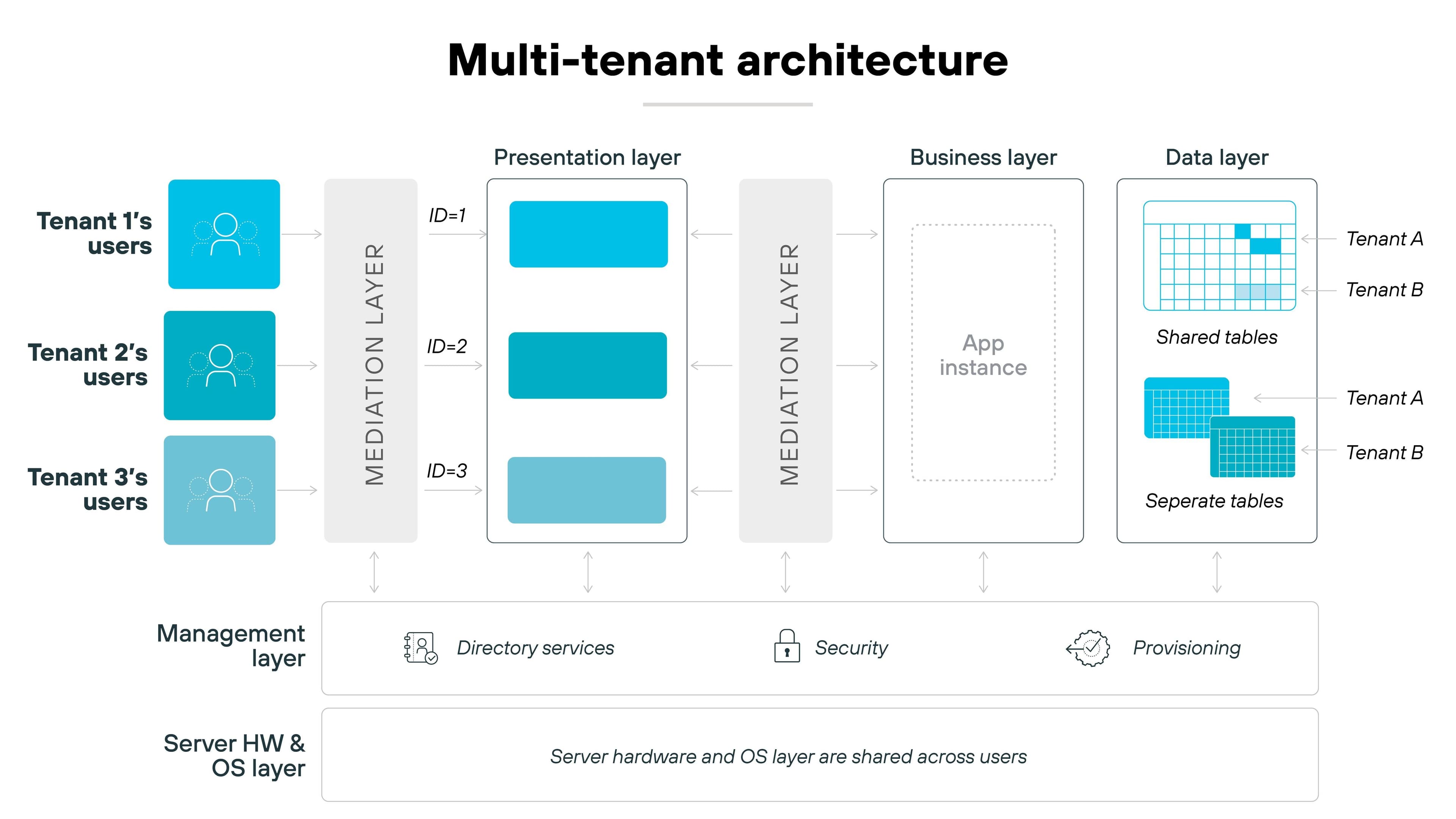
The architecture of your SaaS product is foundational. It should be designed for performance, reliability, and scalability. Here are some key considerations:
- Microservices Architecture: Break down your application into smaller, independent services to enhance scalability and maintainability.
- Cloud Hosting: Leverage cloud providers like AWS or Azure for reliable hosting and storage solutions.
- API-First Design: Ensure your services can communicate through well-defined APIs, allowing for easier integration and future expansion.
Authentication & Subscriptions
User authentication is critical for security and user experience. Implementing robust authentication methods is essential:
- OAuth 2.0: Use OAuth 2.0 for secure and flexible user authentication.
- Subscription Management: Allow users to easily manage their subscriptions and access levels.
“A great user experience begins with a secure and seamless authentication process.”
Example Code for User Authentication
const express = require('express');
const passport = require('passport');

const app = express();

app.post('/login', passport.authenticate('local', { successRedirect: '/dashboard', failureRedirect: '/login' }));
Payment Integration
Integrating a reliable payment system is crucial for any SaaS product. Consider the following:
- Payment Gateways: Use trusted payment gateways like Stripe or PayPal to handle transactions.
- Recurring Billing: Implement features for automated recurring billing to simplify the subscription process for users.
Scaling
As your user base grows, your SaaS product needs to scale without compromising performance. Here are strategies to consider:
- Load Balancing: Use load balancers to distribute traffic evenly across servers.
- Database Optimization: Optimize database queries and indexing to enhance performance.
Internal CTA
If you're interested in learning more about SaaS product development, consider subscribing to our newsletter for the latest insights and strategies!
Highlights
- •Understand the fundamentals of SaaS architecture.
- •Implement secure authentication and subscription models.
- •Integrate efficient payment systems for seamless transactions.
- •Plan for scalability to accommodate growth.
Need similar implementation support?
Work with our engineering team on scalable web apps, backend architecture, and growth-ready product delivery.
Related Content
Keep reading similar insights
General
How AI is Transforming Modern Businesses
Explore the transformative impact of AI on modern businesses, from chatbots to analytics. Learn how startups can leverage AI for growth and efficiency.
General
How to Build a File Upload System Using Multer and Node.js
Learn how to create a robust file upload system with Multer and Node.js. This guide covers everything from installation to error handling.
General
Redis Caching Explained for Beginners
Discover how Redis can enhance your application's performance through effective caching. This guide covers installation, integration, and strategies for optimal use.