Designing a Scalable Internship Management System
Explore the challenges of managing internships manually and learn how to build a scalable internship management system using modern architecture and technologies.
Published
17 April 2026
Reading Time
2 min read
Author
Infotact Team
Designing a Scalable Internship Management System
In today’s fast-paced world, managing internships efficiently is crucial for organizations. However, many companies still rely on manual processes, leading to inefficiencies and challenges. This article delves into the design of a scalable internship management system that addresses these issues.
Problem with Manual Internship Handling
Manual handling of internships often leads to:
- Inconsistent data management
- Difficulty in tracking intern progress
- Increased administrative workload
These problems necessitate a robust system that can streamline the process and provide a better user experience.
Architecture Overview
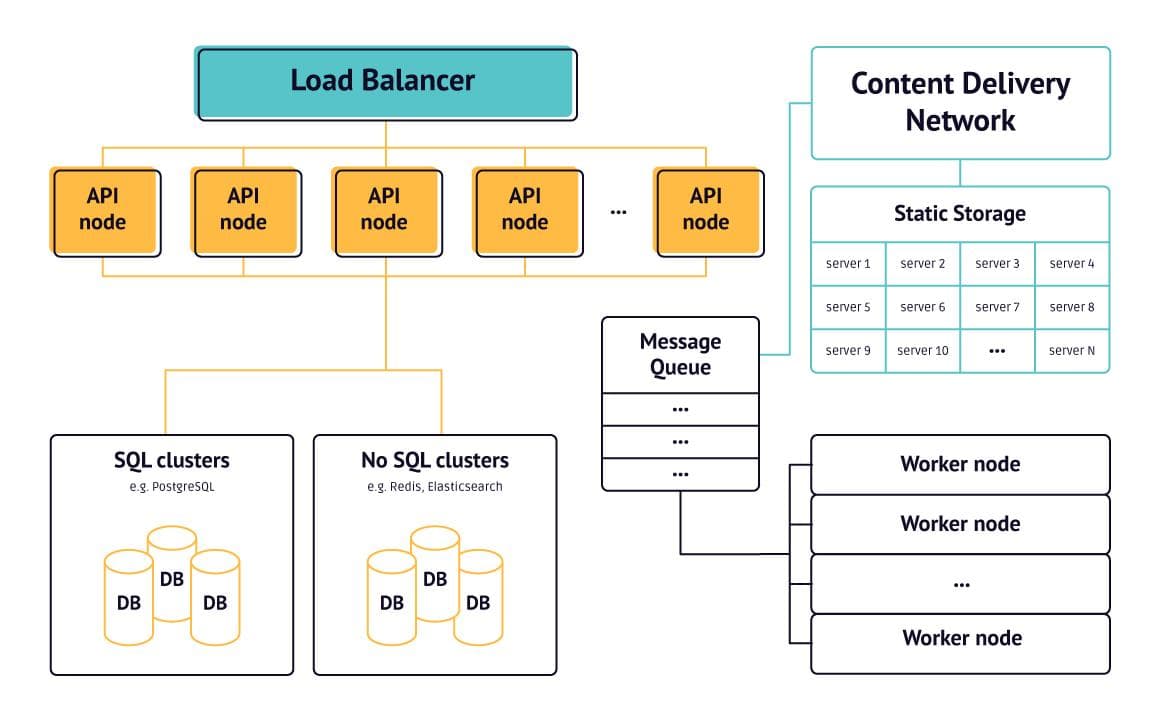
A scalable internship management system should feature a well-structured architecture comprising the frontend, backend, and database.
Frontend
The frontend should be user-friendly, allowing both admins and interns to navigate easily. Popular frameworks like React or Vue.js can enhance user experience.
Backend
The backend can be built using Node.js, which is efficient for handling numerous concurrent requests. Express.js can be used for routing requests effectively.
Database
A NoSQL database like MongoDB is recommended, as it allows flexible data storage and quick retrieval, which is essential for managing internship data.
User Roles
Defining user roles is critical for managing access and functionality:
- Admin: Full access to manage interns, view reports, and handle administrative tasks.
- Intern: Limited access to view their tasks, submit reports, and communicate with mentors.
Scaling the System
To ensure the system can handle increasing loads, it’s essential to implement:
- Load Balancing: Distributing incoming traffic across multiple servers to ensure no single server gets overwhelmed.
- Caching: Using caching mechanisms like Redis to store frequently accessed data, which can help improve performance and reduce latency.
Deployment Flow
The deployment of the internship management system can follow these steps:
- Containerize the application using Docker.
- Deploy to a cloud platform like AWS or Vercel.
- Set up CI/CD pipelines to automate testing and deployment.
Conclusion
Designing a scalable internship management system involves understanding the challenges of manual processes, defining a clear architecture, and implementing effective scaling strategies. By following these guidelines, organizations can streamline their internship management and improve the experience for both admins and interns.
Key Takeaway: A well-designed system not only enhances efficiency but also contributes to a better internship experience for all users.
Highlights
- •Understand the problems of manual internship handling.
- •Learn about scalable architecture with user roles.
- •Explore deployment flows and load balancing techniques.
Need similar implementation support?
Work with our engineering team on scalable web apps, backend architecture, and growth-ready product delivery.
Related Content
Keep reading similar insights
General
Microservices Architecture Explained for Beginners
Discover the essentials of microservices architecture, comparing it with monolithic systems, and explore real-world applications such as Netflix and Amazon.
General
How to Build a File Upload System Using Multer and Node.js
Learn how to create a robust file upload system with Multer and Node.js. This guide covers everything from installation to error handling.
General
Redis Caching Explained for Beginners
Discover how Redis can enhance your application's performance through effective caching. This guide covers installation, integration, and strategies for optimal use.