How Memory Works in Programming: A Deep Dive into Stack vs Heap
Understanding memory management is crucial for programmers. This blog delves into stack vs heap memory, function calls, and real-world examples across languages like C, C++, Java, and Python.
Published
18 April 2026
Reading Time
2 min read
Author
Infotact Team
Introduction
Memory management is a fundamental concept in programming that often confuses many developers. In this blog, we’ll explore how memory works in programming, specifically focusing on the differences between stack and heap memory allocation.
Stack vs Heap: The Basics
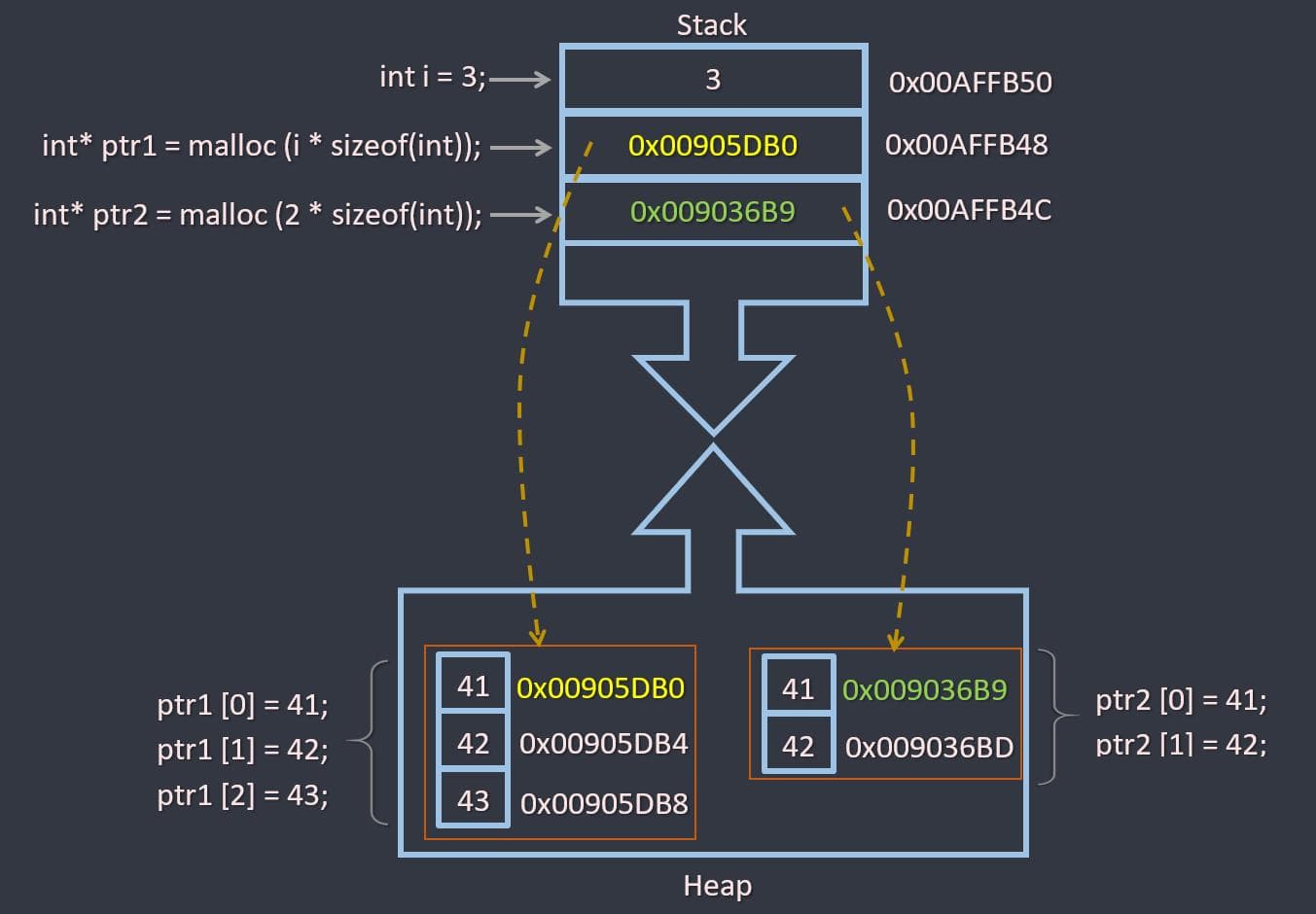
The stack and heap are two types of memory used for different purposes:
- Stack: Memory allocation is managed in a last-in, first-out manner. It’s used for static memory allocation and function call management.
- Heap: Memory allocation is dynamic and managed by the programmer. It’s used for objects and data structures that need to persist beyond a single function call.
Key Differences
- Size: Stack size is usually limited, while the heap can grow as needed.
- Speed: Stack allocation is faster than heap allocation.
- Lifetime: Stack memory is automatically freed when a function exits; heap memory must be manually freed.
Function Calls and the Call Stack
When a function is called, a new block is created on the stack to store its data. This includes local variables, return addresses, and function parameters. Once the function completes, this block is popped off the stack.
Example of a Call Stack in C
void functionA() { int a = 5; functionB(); } void functionB() { int b = 10; }Memory Leaks: A Critical Issue
A memory leak occurs when a program allocates memory on the heap but fails to deallocate it. This can lead to performance degradation and eventually exhaust system memory.
Example of a Memory Leak in C++
void memoryLeak() { int* ptr = new int[10]; // Memory allocated but not deleted } Real Examples: C/C++, Java, and Python Comparison
C/C++
In C/C++, you have explicit control over memory management, which can lead to both powerful optimizations and potential pitfalls.
Java
Java uses automatic garbage collection, which simplifies memory management but can lead to unpredictable performance.
Python
Python also manages memory automatically, yet understanding its underlying mechanisms can help in optimizing performance.
Conclusion
Understanding the nuances of stack and heap memory is essential for any programmer aiming to write efficient, robust code. Mastering these concepts will not only enhance your programming skills but also prepare you for technical interviews.
Call to Action
If you found this blog helpful, consider checking out our related posts on Pointers Explained and Backtracking Problems.
Highlights
- •Master the difference between stack and heap
- •Prevent memory leaks effectively
- •Gain insights through real-world coding examples
Need similar implementation support?
Work with our engineering team on scalable web apps, backend architecture, and growth-ready product delivery.
Related Content
Keep reading similar insights
General
Building a REST API with Python: FastAPI vs Flask
Discover the differences between FastAPI and Flask for building REST APIs in Python. We explore performance, code examples, and when to choose each framework.
General
How to Build a File Upload System Using Multer and Node.js
Learn how to create a robust file upload system with Multer and Node.js. This guide covers everything from installation to error handling.
General
Redis Caching Explained for Beginners
Discover how Redis can enhance your application's performance through effective caching. This guide covers installation, integration, and strategies for optimal use.