Loud Deployment Made Simple: A Comprehensive AWS + Docker Guide
Master the art of deploying applications using AWS and Docker with this detailed guide. Learn about Docker, CI/CD, and scaling your MERN app effectively.
Published
26 April 2026
Reading Time
2 min read
Author
Infotact Team
Loud Deployment Made Simple: A Comprehensive AWS + Docker Guide
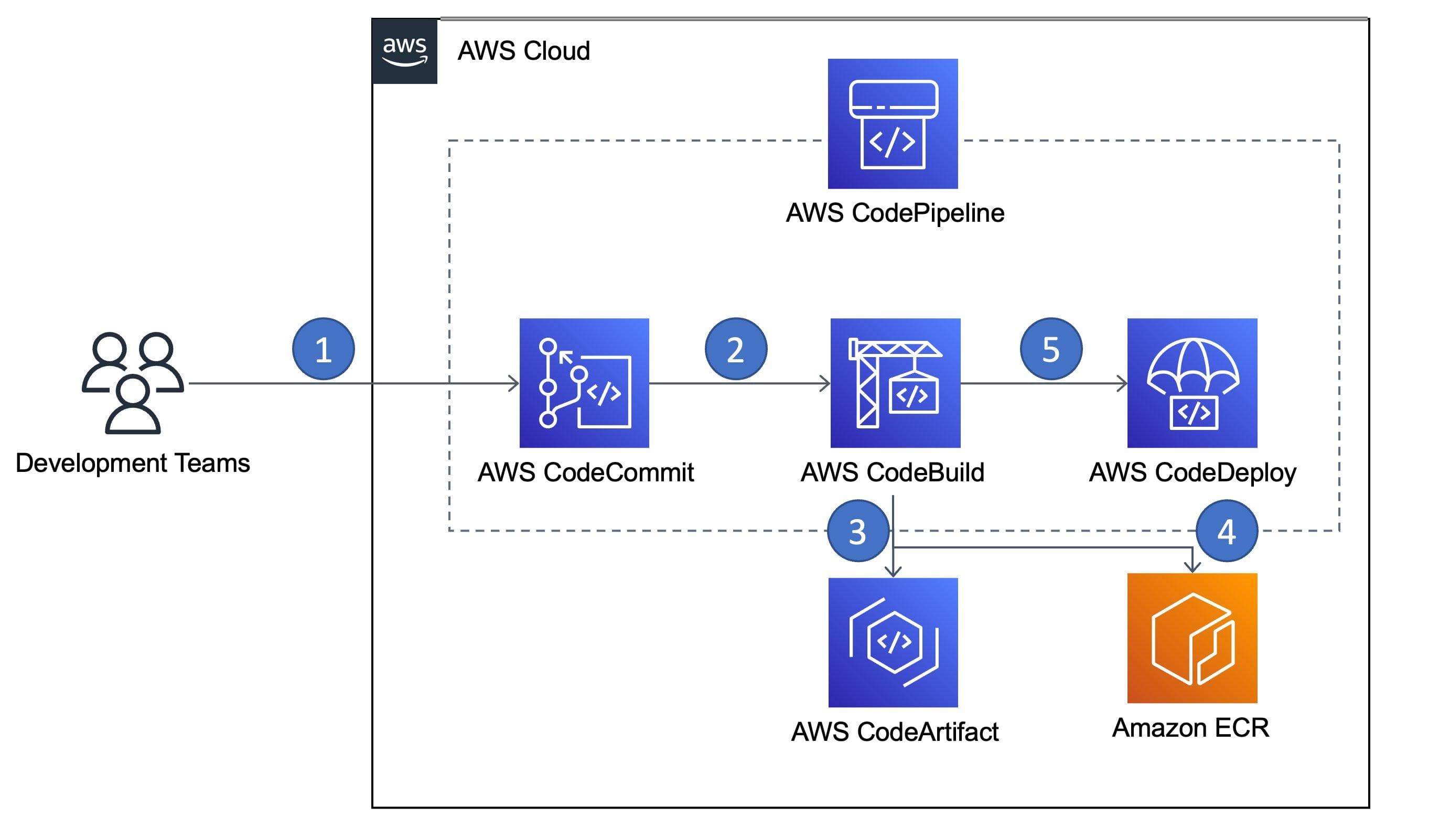
In the ever-evolving world of software development, deploying applications efficiently is crucial. This guide will walk you through the essential components of using Docker and AWS for your deployment needs.
What is Docker?
Docker is a platform that allows developers to automate the deployment of applications inside lightweight, portable containers. These containers package your application and its dependencies, ensuring that it runs consistently across different computing environments.
Key Benefits of Docker
- Portability: Run your applications anywhere.
- Scalability: Easily scale your application up or down.
- Isolation: Keep your application dependencies separate.
CI/CD Basics
Continuous Integration and Continuous Deployment (CI/CD) is a set of practices that enables development teams to deliver code changes more frequently and reliably. CI/CD pipelines automate the testing and deployment phases, allowing for quicker feedback and reduced human error.
Components of CI/CD
- Source Control: Manage your codebase using systems like Git.
- Automated Testing: Ensure code quality through automated tests.
- Deployment Automation: Automatically deploy code to production.
Deploying a MERN App
The MERN stack consists of MongoDB, Express.js, React, and Node.js. Deploying a MERN application involves several steps:
Step 1: Prepare Your Application
Ensure your MERN app is production-ready and tested.
Step 2: Create a Dockerfile
FROM node:14
WORKDIR /app
COPY package*.json ./
RUN npm install
COPY . .
EXPOSE 3000
CMD [ "npm", "start" ]
Step 3: Build Your Docker Image
Run the following command:
docker build -t my-mern-app .Step 4: Deploy to AWS
Utilize AWS services such as Elastic Beanstalk or ECS to deploy your Docker container.
Scaling with Cloud
Cloud platforms like AWS provide auto-scaling features that allow your application to handle varying loads. This ensures high availability and performance without manual intervention.
Best Practices for Scaling
- Monitor performance metrics.
- Use load balancers to distribute traffic.
- Implement horizontal scaling for flexibility.
Conclusion
Deploying your applications using Docker on AWS can significantly streamline your development process. By leveraging CI/CD practices, you can ensure that your code is always ready for production, and scaling becomes easier than ever.
Call to Action
Ready to simplify your deployment process? Start integrating Docker and AWS into your development workflow today!
Highlights
- •Understand the fundamentals of Docker for containerization.
- •Learn the basics of CI/CD for streamlined deployments.
- •Step-by-step guide to deploying a MERN application.
- •Techniques for scaling applications in the cloud.
Need similar implementation support?
Work with our engineering team on scalable web apps, backend architecture, and growth-ready product delivery.
Related Content
Keep reading similar insights
General
Docker for Developers: Complete Beginner Guide
Unlock the power of Docker with our comprehensive beginner's guide. Learn essential concepts, tools, and techniques for effective container deployment.
General
Microservices Architecture Explained for Beginners
Discover the essentials of microservices architecture, comparing it with monolithic systems, and explore real-world applications such as Netflix and Amazon.
General
How to Build a File Upload System Using Multer and Node.js
Learn how to create a robust file upload system with Multer and Node.js. This guide covers everything from installation to error handling.