Redis Caching Explained for Beginners
Discover how Redis can enhance your application's performance through effective caching. This guide covers installation, integration, and strategies for optimal use.
Published
18 June 2026
Reading Time
2 min read
Author
Infotact Team
Redis Caching Explained for Beginners
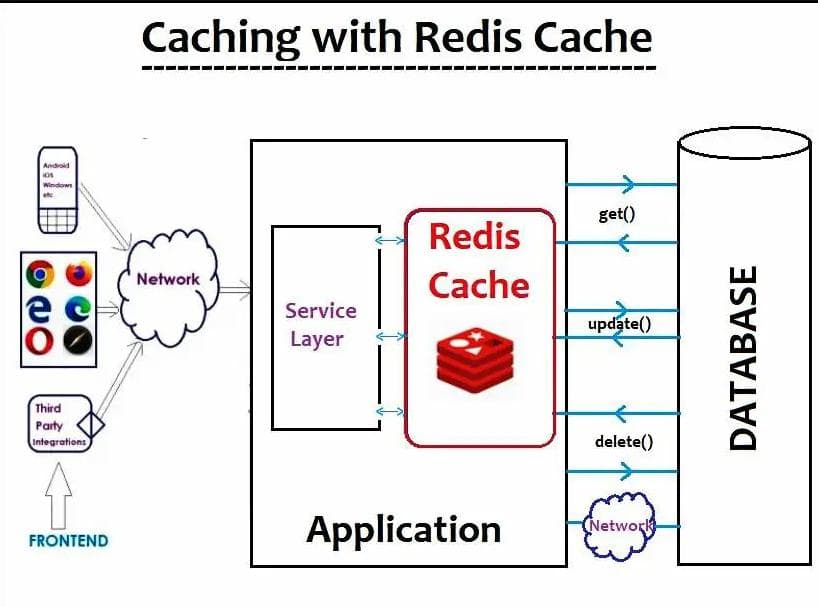
In today's fast-paced digital world, enhancing application performance is critical. Redis, an in-memory data structure store, offers a robust solution for caching frequently accessed data, significantly speeding up applications.
What is Redis?
Redis is an open-source, in-memory key-value store that is widely used for caching and data management. It allows developers to store data in a format that is easily accessible, which can greatly enhance the performance of applications.
Why Caching Matters
Caching is essential for optimizing the performance of applications. By storing frequently accessed data in memory, Redis minimizes the time needed to retrieve data from slower databases, leading to faster response times and improved user experience.
Redis Installation
Installing Redis is straightforward. You can download it from the official Redis website or use package managers like Homebrew for macOS:
brew install redisAfter installation, you can start the Redis server with:
redis-serverIntegrating Redis with Node.js
Integrating Redis into your Node.js application is simple. Use the redis package to connect to Redis and manage your caching strategy:
const redis = require('redis');
const client = redis.createClient();

client.on('error', (err) => {
  console.log('Error ' + err);
});
Cache Invalidation Strategies
Effective cache management is crucial. Here are some common strategies:
- Time-based expiration: Set a specific time after which cached data will expire.
- Versioning: Update cache entries when underlying data changes.
- Manual invalidation: Programmatically clear cache when necessary.
Benefits of Using Redis
Implementing Redis caching offers numerous benefits:
- Faster applications: Reduce latency and improve data retrieval speeds.
- Reduced database load: Minimize the number of queries hitting the database.
- Better user experience: Deliver faster response times, leading to happier users.
“Caching is a powerful technique that can dramatically improve application performance.”
Conclusion
Redis caching is an invaluable tool for developers looking to enhance application performance. By integrating Redis and implementing effective caching strategies, you can create faster, more responsive applications that provide a better user experience.
Call to Action
If you found this guide helpful, consider exploring more about Redis or other caching strategies to further optimize your applications!
Highlights
- •Redis stores frequently accessed data in memory for speed.
- •Implementing caching strategies significantly reduces database load.
Need similar implementation support?
Work with our engineering team on scalable web apps, backend architecture, and growth-ready product delivery.
Related Content
Keep reading similar insights
General
How to Build a File Upload System Using Multer and Node.js
Learn how to create a robust file upload system with Multer and Node.js. This guide covers everything from installation to error handling.
General
Building a Production-Ready REST API with Node.js
Learn how to build a robust REST API using Node.js, covering essential topics like folder structure, middleware, error handling, authentication, and rate limiting.
General
Building a Scalable MERN Stack Application from Scratch
Learn how to build a scalable MERN stack application from the ground up. This guide covers everything from project structure to deployment best practices.